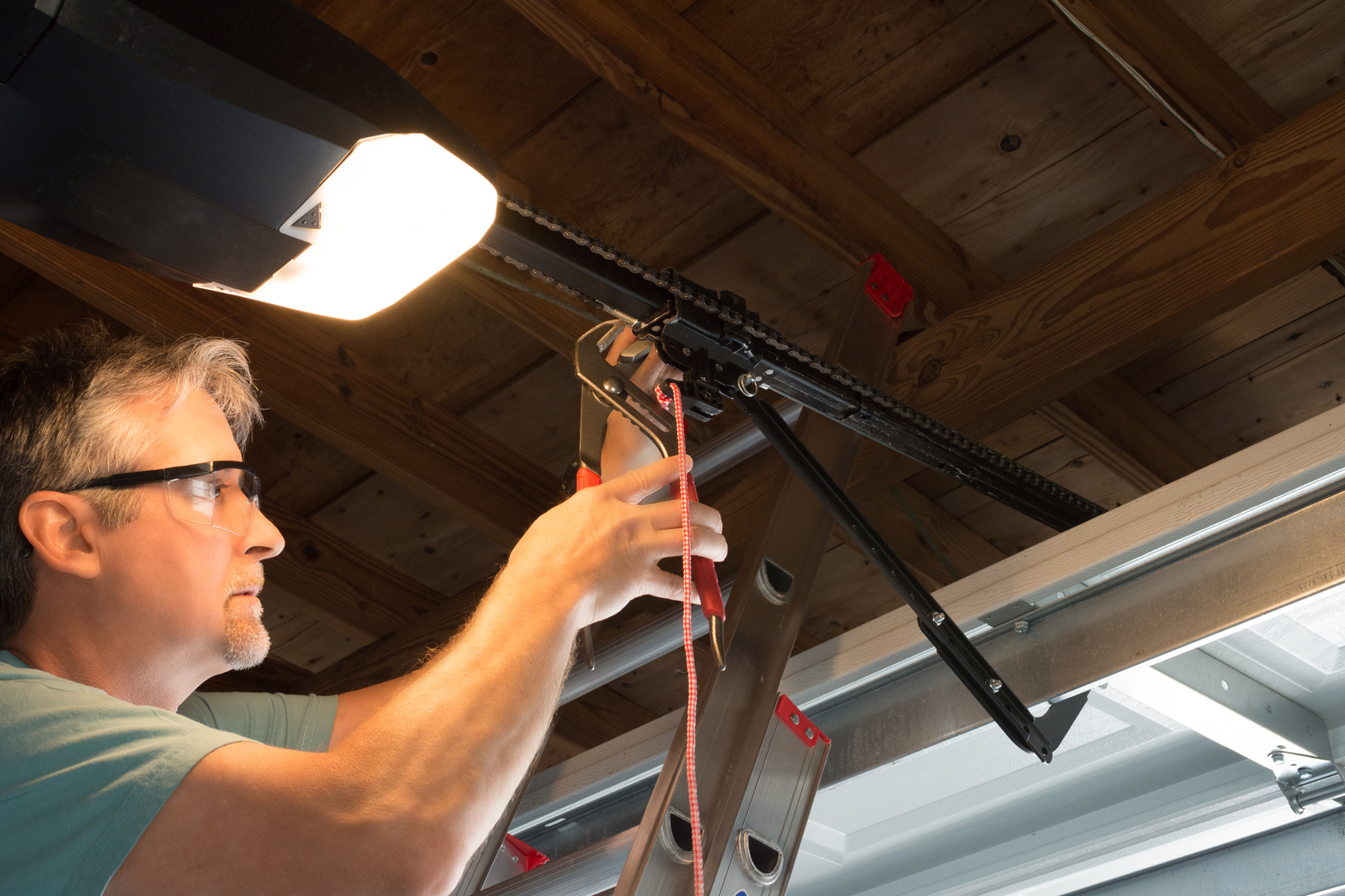
Unlocking the Secrets to Garage Door Repair: A DIY Guide
Welcome to the world of garage door repair, where the mystery of those troublesome squeaks and malfunctions can be unraveled with just the right tools and know-how. Your garage door serves as both a functional and aesthetic component of your home, so keeping it in top condition is essential. From noisy hinges to malfunctioning openers, understanding how to address these issues can save you time and money. With the right guidance, you can tackle these repairs on your own and restore your garage door to its full functionality. Let's explore the key secrets to successful garage door repair and empower you to take control of your home maintenance needs.
Common Garage Door Issues
One common issue with garage doors is the door not opening or closing properly. This could be caused by misaligned sensors, worn out rollers, or a malfunctioning opener. Ensuring proper alignment of the sensors, lubricating the rollers, and checking the opener's functionality are key steps in resolving this problem.
Another frequent problem is noisy garage doors. This can be due to loose hardware, worn-out rollers, or lack of lubrication. Tightening the hardware, replacing worn rollers, and applying lubricant to moving parts can help reduce the noise and make the door operate more smoothly.
Lastly, garage doors getting stuck midway during operation is a common issue. This might be caused by obstructions on the tracks, damaged cables, or worn-out springs. Clearing the tracks, inspecting the cables for damage, and replacing worn springs can resolve this issue and prevent further complications.
Essential Tools for DIY Repair
When embarking on a garage door repair project, having the right tools at your disposal is crucial. The first tool you'll need is a set of screwdrivers in various sizes to help with removing panels and adjusting screws. Additionally, having a sturdy ladder is essential for reaching high areas safely.
Next, investing in a quality level tool will ensure that your garage door is properly aligned to prevent any issues with opening and closing smoothly. Along with the level, a rubber mallet is handy for making precise adjustments without causing damage to the door or its components.
Lastly, don't forget to have a good pair of work gloves to protect your hands while handling sharp or heavy materials. Safety goggles are also a must to shield your eyes from debris or any potential hazards during the repair process. With these essential tools in hand, you'll be well-equipped to tackle your garage door repair with confidence.
Step-by-Step Repair Guide
To start the repair process for your garage door, the first step is to carefully inspect for any visible damage or issues. Check the tracks, springs, and cables for any signs of wear and tear. Make sure to tighten any loose screws or bolts that may be causing the problem.
After identifying the problem areas, the next step is to lubricate all moving parts of the garage door. This includes hinges, rollers, and springs. Use a silicone-based lubricant to ensure smooth operation. Remember to avoid using WD-40 as it can attract dust and dirt, leading to further issues.
Once the moving parts are well-lubricated, test the balance of your garage door by manually opening and closing it. Ensure that the door moves smoothly without any sticking or unusual noises. If the door is off-balance, adjust the tension on the springs accordingly for optimal performance.